Got a check engine light and don’t want to pay a hefty shop fee? Many drivers need a small, reliable OBD scanner that finds problems fast without breaking the bank. Whether you want a simple code reader, live data, or Bluetooth connectivity for your phone, there’s a budget option that fits.
This guide reviews the best budget OBD scanners for everyday drivers and DIYers. Read quick summaries, see key uses, and compare features side-by-side so you can pick the right, affordable tool for your car and skill level.
| Product Image | Product Name | Best For | Check Price |
|---|---|---|---|
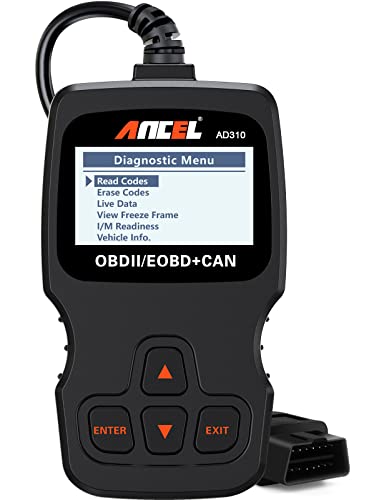 | ANCEL AD310 Classic OBD2 Code Reader | Best Budget Option | Check Price |
 | BlueDriver Bluetooth Pro OBDII Scanner | Pro-Level Diagnostics | Check Price |
 | ANCEL AD410 Enhanced OBD2 Scanner | Enhanced Diagnostics | Check Price |
 | VDIAGTOOL VD10 OBD2 Code Reader | Quick CEL Clearing | Check Price |
 | FOXWELL NT301 Live Data OBD2 Scanner | Live Data Monitoring | Check Price |
 | MOTOPOWER MP69033 OBD2 Engine Reader | Basic OBD2 Reading | Check Price |
 | Vehpow Professional OBD2 Code Reader | Oil & Light Reset | Check Price |
 | Veepeak OBDCheck BLE Bluetooth Scanner | Smartphone Wireless Scan | Check Price |
ANCEL AD310 Classic OBD2 Code Reader
Perfect for DIYers and budget-conscious car owners who want a simple, reliable tool to diagnose check engine lights.
The AD310 reads and clears OBD2 trouble codes and shows basic code definitions right on the screen. This makes it easy to decide whether a code is a quick fix or worth a trip to the shop — for example, spotting a loose gas cap code before paying a diagnostic fee. Its plug-and-play design works with most 1996-and-newer OBD2 cars, so you can start testing in seconds.
It’s compact, built with a sturdy housing and a long cable that reaches cramped engine bays. The menu is straightforward and responsive, so you won’t waste time learning complicated menus. For simple diagnostics at a low price, the AD310 is a dependable pick.
Pros:
- 👍 Very affordable for basic diagnostics.
- 👍 Easy plug-and-play operation with clear code readouts.
- 👍 Broad compatibility with most OBD2 vehicles.
- 👍 Sturdy, compact design that’s easy to store.
Cons:
- 👎 Lacks advanced features like Bluetooth or mobile app support.
- 👎 Basic display and functions compared with paid scan tools.
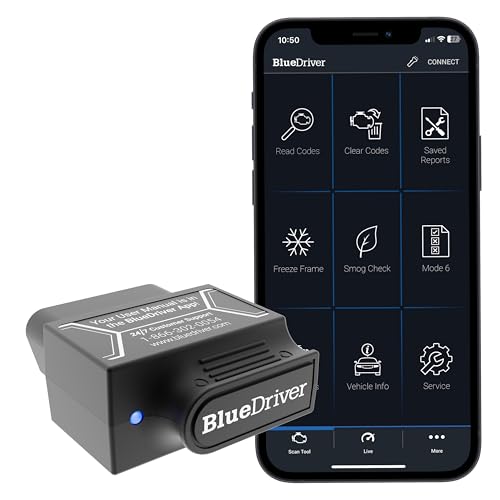
BlueDriver Bluetooth Pro OBDII Scanner
Perfect for DIYers and budget-minded drivers who want professional-grade diagnostics without the high shop cost.
The BlueDriver connects via Bluetooth to your phone and delivers enhanced OBD-II diagnostics and repair reports. In practice that means you can plug it in, read a check-engine code like P0420, and immediately see likely causes and suggested fixes plus freeze-frame and live data to verify symptoms.
It’s small, sturdy, and designed for easy plug-and-forget use, with a well-built app that gets regular updates and a large vehicle database. For a low-cost tool it brings many pro features, making it a strong choice if you want reliable, actionable information before you call a mechanic.
Pros:
- 👍 Professional-level code definitions and repair reports for clear guidance.
- 👍 Wireless Bluetooth pairing with iOS and Android for convenience.
- 👍 Live data, freeze-frame, and smog-readiness checks for accurate troubleshooting.
- 👍 Compact, durable design and regular app updates.
Cons:
- 👎 Only works with the BlueDriver app, not generic ELM327 apps.
- 👎 A bit pricier than the cheapest generic scanners on the market.
- 👎 Some OEM-level features vary by make and model.
ANCEL AD410 Enhanced OBD2 Scanner
Perfect for DIYers and budget-minded drivers who want a simple, reliable OBD2 tool to read and clear engine codes without fuss.
The AD410 focuses on the essentials: quick code reading/clearing and live data streaming. Its built‑in DTC library gives plain‑English code descriptions so you can understand a fault right away. For example, you can check I/M readiness and view live RPM and coolant temp during a short test drive to spot intermittent issues before a shop visit.
It’s compact, plug‑and‑play, and works on most 1996-and-newer OBD2 vehicles. The menus are straightforward, and the sturdy housing stands up to garage use. For anyone who wants reliable basic diagnostics at a low price, the AD410 is a strong, no‑nonsense choice.
Pros:
- 👍 Affordable with great value for basic diagnostics
- 👍 Built‑in DTC library makes codes easy to understand
- 👍 Live data and I/M readiness help verify repairs
- 👍 Plug‑and‑play design; works on most OBD2 cars
Cons:
- 👎 Not suited for advanced ABS/SRS or manufacturer‑level features
- 👎 No Bluetooth or smartphone app connectivity
- 👎 Small screen can feel cramped when viewing lots of data
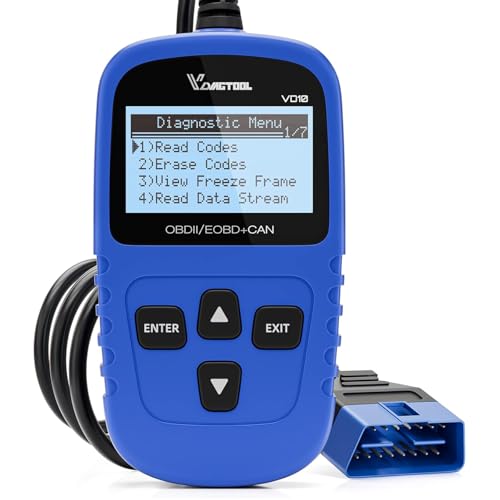
VDIAGTOOL VD10 OBD2 Code Reader
FOXWELL NT301 Live Data OBD2 Scanner
Perfect for DIYers and budget-conscious drivers who want fast OBD-II code reading and live data without spending on a professional scanner.
The NT301 shines with straightforward code reading/clearing and live data streaming. You can pull trouble codes, check I/M readiness, and watch live parameters like RPM and coolant temperature in real time — for example, observe RPM and coolant temp while revving the engine to spot overheating or idle issues.
It’s a compact, plug-and-play unit with an easy menu and a clear display, built to take some garage wear. For basic diagnostics and routine checks it delivers excellent value, making it a strong choice if you want reliable, no-frills OBD2 functionality on a budget.
Pros:
- 👍 Easy plug-and-play operation — no setup required
- 👍 Live data streaming and simple graphing for quick diagnostics
- 👍 Reads/clears codes and shows I/M readiness
- 👍 Compact, durable design and great price-to-performance
Cons:
- 👎 Lacks advanced bi-directional or active test features
- 👎 No Bluetooth or smartphone app connectivity
- 👎 Limited to standard OBD-II functions, not full manufacturer-specific coverage
MOTOPOWER MP69033 OBD2 Engine Reader
Perfect for DIYers and budget-conscious car owners who want a simple, reliable OBD2 reader.
The MP69033 reads and clears engine fault codes, displays live engine data, and reports I/M readiness with built-in code definitions. In practice that means you can pull a P0420 code, view live fuel trim and oxygen sensor data to narrow down the cause, clear the check-engine light after a repair, and verify the fix quickly.
It’s a compact, plug-and-play unit with a backlit screen and sturdy plastic housing that stands up to garage use. The device is powered by the vehicle’s OBD port, so no batteries are required. For basic diagnostics at a very low price, it covers the essentials and is a smart, no-frills choice.
Pros:
- 👍 Very affordable for basic diagnostics
- 👍 Easy plug-and-play operation with clear on-screen code info
- 👍 Shows live data and I/M readiness for quick verification
- 👍 Compact, durable design that fits in a small tool kit
Cons:
- 👎 Lacks advanced ABS/SRS or manufacturer-specific functions
- 👎 Small screen can feel cramped for long data streams
- 👎 Not intended for professional shop-level diagnostics
Vehpow Professional OBD2 Code Reader
This OBD2 reader is perfect for DIYers and budget-conscious car owners who want a reliable, no-frills tool to diagnose check engine lights.
It reads and clears engine codes and displays live data streams, so you can identify issues quickly — for example, pull a P0301 misfire code and watch RPM and fuel trim live to confirm the problem.
The compact, rugged design and straightforward menu make it easy to use and store in the glovebox, which makes the Vehpow a strong choice for anyone wanting a dependable basic scanner without paying for pro-level bells and whistles.
Pros:
- 👍 Affordable price for the features
- 👍 Reads and clears codes and shows live data with simple code definitions
- 👍 Compact, sturdy build fits glovebox
- 👍 Plug-and-play operation with no complex setup
Cons:
- 👎 Lacks advanced manufacturer-specific functions and service resets
- 👎 No wireless or smartphone app connectivity
- 👎 Screen can feel small during extended live-data viewing
Veepeak OBDCheck BLE Bluetooth Scanner
Perfect for DIYers and budget-conscious drivers who want quick, phone-based OBD-II diagnostics without spending on a pro tool.
The Veepeak OBDCheck BLE uses Bluetooth Low Energy to pair fast with phones and supports basic code reading, clearing, and live sensor data. That means you can read a check-engine code or watch RPM and coolant temp in real time. For example, after tightening a loose gas cap you can clear the CEL and confirm the issue is fixed.
It’s small, plug-and-play, and built from sturdy plastic, so it survives everyday garage use. The unit works with many popular apps on iPhone and Android, making it flexible for different users. It won’t replace dealer-level diagnostics, but for routine checks and troubleshooting it’s a reliable, low-cost choice.
Pros:
- 👍 Very affordable for the features it offers
- 👍 BLE pairing is fast and energy efficient
- 👍 Compact, durable plug-and-play design
- 👍 Supports live data and common OBD-II apps
Cons:
- 👎 Limited to standard OBD-II functions, not manufacturer-specific modules
- 👎 Some Android apps may need extra setup or have compatibility quirks
Buyer’s Guide: 3 Key Factors to Consider
Compatibility with Your Vehicle and Devices
Actionable tip: Verify the scanner explicitly supports OBD-II protocols used by your car (CAN, ISO, KWP, etc.) and year make/model. If you use an iPhone, favor Wi‑Fi or Bluetooth LE dongles with iOS app support—many older Bluetooth devices only work with Android.
Ease of Use & App Support
Actionable tip: Choose a scanner with a modern, well-reviewed app that shows live data, readiness monitors, and clear code definitions. Look for firmware updates and active developer support—this keeps compatibility and adds features over time.
Price vs. Performance (Value and Future‑proofing)
Actionable tip: Don’t chase the absolute cheapest unit—prioritize core features like live-data graphs, freeze-frame capture, and basic service functions. For long-term value, pick a model with frequent firmware updates and a warranty; a slightly higher-cost dongle can save you money by avoiding repeat purchases.
Frequently Asked Questions
Q1: Will a budget OBD scanner read ABS and airbag codes?
A1: Most basic budget OBD-II scanners only read generic powertrain (P‑codes). ABS and airbag (SRS) systems often require manufacturer-specific protocols or advanced scanners—check the product specs for ABS/SRS support before buying.
Q2: Can I use a Bluetooth OBD dongle with my iPhone?
A2: Only if the dongle uses Bluetooth Low Energy (BLE) or Wi‑Fi and the app supports iOS. Classic Bluetooth OBD-II adapters typically do not pair with iPhones, so confirm iOS compatibility in the listing and app store reviews.
Q3: Do budget OBD scanners need a subscription?
A3: Many budget scanners offer core features without subscription, but some advanced diagnostics, freeze‑frame details, or proprietary code libraries may require paid in‑app upgrades. Read the feature list to know what’s free versus paid.
Q4: How accurate are the trouble code descriptions in cheap apps?
A4: Basic code definitions are generally accurate, but actionable repair guidance varies. Look for apps that provide troubleshooting steps, live data correlation, or links to repair info—otherwise use the code as a starting point, not a final diagnosis.
Q5: How do I update the firmware or app for my scanner?
A5: Most modern scanners update through their companion app—open the app while the device is connected and follow prompts. If firmware updates are critical, choose brands with a track record of regular releases and clear update instructions.
Q6: Is a handheld scanner better than a dongle?
A6: Handheld scanners are standalone and ideal if you want a dedicated tool without relying on a phone. Dongles offer portability and richer app features at a lower price. Pick a handheld for workshops or frequent pro use; choose a dongle for casual DIYers who value convenience and affordability.
Final Verdict: Which One Should You Buy?
For most buyers in 2025, a Bluetooth LE or Wi‑Fi OBD‑II dongle with an actively updated app offers the best budget balance of features, portability, and long‑term value. Choose a handheld scanner only if you need a standalone device or broader OEM diagnostics. Prioritize vehicle compatibility, solid app reviews, and firmware support to make a confident purchase.