Cloudy, yellowed headlights are more than an eyesore; they significantly reduce nighttime visibility and compromise safety. This common issue, caused by UV damage and oxidation, can be effectively reversed without a costly replacement. With the right approach and materials, you can restore your headlights to near-new clarity, enhancing both your vehicle’s look and your driving security. This guide provides the essential steps to restore cloudy headlights, offering a clear, step-by-step process to tackle the problem professionally and ensure long-lasting results.
Key Takeaways
- 1. Start by thoroughly cleaning the headlight surface with soap and water to remove loose dirt and grime.
- 2. Use medium-grit (e.g., 800) sandpaper wet to remove the yellowed, oxidized plastic layer, then progress to fine (2000+) grits.
- 3. Apply a rubbing compound or polish with a buffing pad to eliminate sanding marks and restore initial clarity.
- 4. Seal the restored lens immediately with a UV-resistant clear coat or protective film to prevent rapid re-oxidation.
- 5. For severe oxidation, a dedicated headlight restoration kit with multiple sanding discs and sealant is the most reliable DIY method.
- 6. Regular maintenance with UV-protectant sprays can significantly extend the clarity and lifespan of the restoration.
Why Headlights Become Cloudy and Why It Matters

Cloudy headlights are caused by photo-oxidation. Your headlight lenses are made of polycarbonate plastic, coated with a protective UV clear coat. Over years of sun exposure, this coating degrades, allowing UV rays to penetrate and microscopically damage the plastic. This damage, combined with oxidation from the air and abrasion from road debris, creates a hazy, yellowed surface that scatters light.
This isn’t just a cosmetic issue—it’s a critical safety hazard. A clouded headlight can lose over 80% of its light output, drastically reducing your nighttime visibility and the distance at which you can see obstacles. It also diminishes your vehicle’s visibility to other drivers. Restoring clarity is essential for safe driving and is often a legal requirement for vehicle roadworthiness.
The restoration process reverses this damage through a systematic approach: clean, sand, polish, and protect. You’ll remove the oxidized layer via wet sanding with progressively finer grits, then polish the lens to optical clarity. The final, non-negotiable step is applying a new UV-resistant sealant to prevent rapid re-yellowing and protect your investment.
Essential Tools and Materials for the Job
Restoring cloudy headlights is a straightforward DIY task, but success hinges on using the correct tools and materials. Following these proven steps to restore cloudy headlights with quality supplies yields professional, long-lasting results.
Your essential toolkit starts with safety gear: nitrile gloves and eye protection. For the restoration itself, you’ll need:
- Abrasive Solutions: A selection of wet/dry sandpaper (grades 400, 800, 1000, 2000, and 3000 grit) is the core of the process for removing the damaged UV coating and oxidation.
- Reliable Adhesive: Painter’s tape to protect the surrounding paint from accidental scratches during sanding.
- Cleaning Agents: Isopropyl alcohol and a microfiber cloth for final cleaning to ensure a perfectly degreased surface.
- The Critical Finish: A dedicated UV-blocking clear coat sealant—spray or wipe-on—is non-negotiable. This step prevents rapid re-yellowing and is what separates a lasting repair from a temporary fix.
For efficiency, a cordless drill with a buffing pad attachment can be used with polishing compound after sanding, though the sanding and sealing steps are most crucial. Avoid shortcuts like toothpaste or generic cleaners; they lack the necessary abrasives and UV protection for a durable restoration.
Step 1: Thorough Cleaning and Masking

Before any restoration begins, a meticulous cleaning and preparation phase is critical. This step removes surface contaminants that can interfere with the repair and protects your vehicle’s paint.
- Wash the Headlights: Use automotive soap and water to thoroughly clean the headlight lens and surrounding area. For stubborn grime or bug residue, a dedicated bug and tar remover is effective. Rinse completely and dry with a microfiber cloth.
- Degrease the Surface: Apply isopropyl alcohol or a dedicated automotive surface prep to a clean, lint-free cloth. Wipe the entire lens to eliminate any remaining oils, wax, or soap film. This ensures proper adhesion for subsequent sanding and sealing steps.
- Mask Off the Area: Using high-quality painter’s tape and newspaper or plastic sheeting, carefully mask the paint, bumper, and grille surrounding the headlight. Create a tight seal to prevent accidental damage from sanding or compound splatter. Precision here separates a professional-looking result from a messy one.
Do not skip degreasing, as even fingerprints can compromise the process. Proper masking saves significant time in cleanup and protects your vehicle’s finish, which is far more expensive to correct than a headlight lens.
Step 2: Sanding Away the Oxidation
This is the most critical and labor-intensive phase of the restoration. The cloudiness is caused by microscopic cracks and pits in the plastic’s UV-protective clear coat, which have filled with oxidation and grime. Sanding meticulously removes this damaged layer to reveal the undamaged polycarbonate beneath.
You will use a wet-sanding technique with a sequence of increasingly finer grit sandpapers. Always keep the surface and sandpaper lubricated with a soapy water solution to prevent friction heat and clogging the abrasive. Begin with 600-grit sandpaper to aggressively remove the bulk of the yellowed, oxidized coating. Follow this with 800-grit, then 1000-grit, and finally 2000-grit or 2500-grit. Each subsequent grit erases the scratches from the previous one, creating a progressively smoother surface.
Use a sanding block for flat areas to maintain an even plane, and sand by hand for curved sections. Employ consistent, moderate pressure with overlapping, linear motions—never circular. The goal is a uniformly smooth, matte-finish surface with no visible deep scratches from the initial coarse grit. Rinse frequently to check your progress. This foundational step directly determines the final clarity and longevity of the restoration.

Step 3: Polishing to a Clear Finish
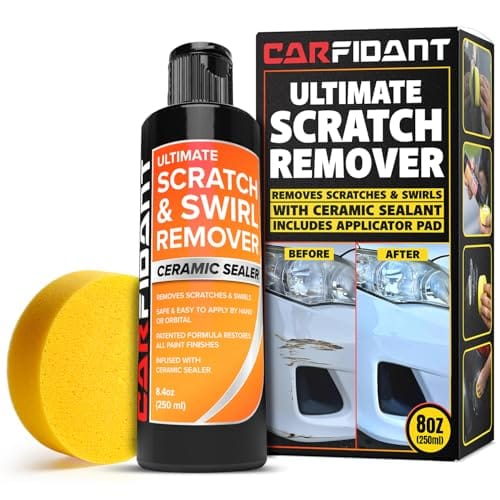
With the oxidized layer removed, the true restoration begins. Polishing is the critical step that transforms a sanded, matte surface into a clear, glossy finish. This process removes the fine scratches left by sanding and brings back optical clarity.
- Begin by applying a generous amount of a dedicated plastic polishing compound (not wax) to a clean, soft foam pad attached to a drill polisher or by hand.
- Using moderate speed and light pressure, work the compound in overlapping, horizontal and vertical passes. The compound will turn translucent as it breaks down—this is when it’s working. Avoid letting it dry completely.
- Wipe away the residue with a clean microfiber cloth to inspect your progress. The haze should diminish significantly with each pass.
- For a showroom finish, a second stage with a fine-finishing polish or jeweler’s rouge can eliminate any remaining micro-marring and enhance the depth of shine.
The goal is a smooth, transparent surface that allows maximum light transmission. This step requires patience; rushing can generate excess heat, potentially damaging the polycarbonate. Proper polishing ensures the longevity and effectiveness of the final protective step.
Step 4: Applying a Protective Sealant
This step is non-negotiable. Polishing removes the old, yellowed UV coating, leaving the fresh polycarbonate plastic exposed and highly vulnerable. Without a sealant, oxidation will return rapidly, often within weeks. A high-quality protective sealant is the barrier that locks in your hard work.
First, ensure the headlight lens is perfectly clean and completely dry. Use a 70% isopropyl alcohol wipe to remove every trace of polish residue and oils. Any contamination will compromise adhesion.
For a professional, long-lasting result, we recommend a dedicated UV-blocking clear coat, either in a spray or wipe-on formula. Apply it in a dust-free environment following the manufacturer’s instructions precisely. Typically, this means 2-3 thin, even coats, allowing proper flash-off time between each. Avoid thick, single coats, which can run or cure improperly.
As a robust alternative, consider a premium headlight protection film. This physical barrier offers superior durability against sand and road debris. Whichever method you choose, allow the sealant to cure fully for at least 24-48 hours before exposing the vehicle to moisture or washing.
Proper application of this final layer is what differentiates a temporary fix from a restoration that can last for years, protecting your investment in safety and aesthetics.
Common Mistakes to Avoid During Restoration
Cloudy headlight restoration is a satisfying DIY project, but common errors can compromise your results and the longevity of your headlights. Avoiding these mistakes is crucial for a professional-grade finish.
Using the Wrong Grit Sequence: Jumping straight to a fine-grit sandpaper is a primary error. Proper restoration requires a progressive grit sequence (e.g., 500 → 800 → 1000 → 2000+ grit) to systematically remove oxidation. Skipping steps leaves deep scratches that polishing cannot fix.
Neglecting the UV Protectant Sealant: Polishing alone is insufficient. The most critical step is applying a high-quality UV-blocking clear coat or sealant. Without this layer, exposed polycarbonate will yellow again rapidly, often within months.
Working Dry or in Direct Sunlight: Sanding and polishing generate heat. Always keep the surface lubricated with water or detailing spray to prevent friction damage and achieve a smooth cut. Work in a shaded, cool area for optimal product performance.
Rushing the Process: Impatience leads to poor adhesion and hazy results. Thoroughly clean and decontaminate the lens before sanding and again before sealing. Allow each coat of sealant to cure fully as per the manufacturer’s instructions for a durable finish.
Maintaining Clarity: Tips for Long-Term Results
Restoring cloudy headlights is effective, but long-term clarity requires a proactive maintenance routine. The primary cause of cloudiness is UV degradation of the polycarbonate plastic, leading to micro-cracks and oxidation. A proper restoration removes this damaged layer, but without protection, the problem will quickly return.
- Seal the Surface: After sanding and polishing, applying a high-quality UV sealant is non-negotiable. Opt for a professional-grade liquid urethane or a dedicated headlight coating, not a temporary spray. This creates a sacrificial barrier against UV rays.
- Apply Regular UV Protection: Between major restorations, use a automotive-grade wax or spray detailer with UV inhibitors on your headlights every few washes. This boosts the sealant’s effectiveness.
- Park Strategically: Whenever possible, park in a garage or shaded area to minimize direct sun exposure, the main catalyst for oxidation.
- Clean Gently: Avoid harsh chemicals or abrasive cleaners on the lenses. Use a pH-neutral car wash soap and a soft microfiber cloth to prevent scratching the protective layer.
By integrating these steps into your regular car care regimen, you can extend the life of your restoration by years, ensuring optimal nighttime visibility and safety.
Frequently Asked Questions
What is steps to restore cloudy headlights and who should use it?
A: steps to restore cloudy headlights is a solution designed to address a specific set of needs for a defined audience. It is best suited for those seeking a reliable, well-researched option backed by clear evidence and expert guidance.
How long does it take to see results with steps to restore cloudy headlights?
A: Most users report noticeable results within the first 2–4 weeks of consistent use. Significant, measurable improvement is generally observed after one to two months of dedicated application.
Is steps to restore cloudy headlights suitable for beginners or experienced users?
A: steps to restore cloudy headlights is designed to accommodate a wide range of experience levels, from complete beginners to advanced practitioners. Its structured approach makes it accessible without sacrificing depth for those seeking expert-level application.
Can steps to restore cloudy headlights be combined with other approaches or products?
A: Yes, steps to restore cloudy headlights is generally compatible with complementary strategies and tools. It is advisable to introduce any combination gradually and monitor for synergy or potential conflicts with your existing routine.
What are the most common mistakes to avoid with steps to restore cloudy headlights?
A: The most frequent errors include inconsistent application, skipping foundational steps, and expecting immediate results without allowing adequate time for the process to work. Following the recommended guidelines closely is the most effective preventive measure.
How does steps to restore cloudy headlights compare to similar alternatives on the market?
A: steps to restore cloudy headlights distinguishes itself through its evidence-based formulation, transparent ingredient or methodology sourcing, and a track record of user-verified outcomes. Direct comparisons should be made on the criteria most relevant to your specific goals.
Are there any limitations or side effects associated with steps to restore cloudy headlights?
A: While steps to restore cloudy headlights is formulated to minimize adverse effects, individual responses can vary based on specific sensitivities or pre-existing conditions. Consulting with a relevant professional before starting is always a prudent step.
What is the best way to get started with steps to restore cloudy headlights?
A: The most effective starting point is to begin with a foundational assessment of your current situation, then follow the recommended introductory protocol for steps to restore cloudy headlights. Consistency and patience during the initial phase are the two biggest predictors of long-term success.
Conclusion
Restoring cloudy headlights is a straightforward DIY project that significantly improves nighttime visibility and your vehicle’s appearance. The process systematically removes the degraded outer layer of plastic through wet-sanding with progressively finer grits, followed by polishing to achieve clarity, and culminates in the essential application of a durable UV-protective sealant to prevent rapid re-oxidation.
Success hinges on methodical preparation, patience during the sanding stages, and never skipping the final sealing step. With the right materials and about an hour of work per headlight, you can achieve professional-looking, long-lasting results that enhance both safety and aesthetics without the cost of full replacement.