The sun’s relentless UV rays and intense heat are a silent enemy to your vehicle, causing faded paint, cracked dashboards, and diminished value. Proactive protection is not just about aesthetics; it’s a crucial investment in your car’s longevity and resale potential. This guide provides a comprehensive, actionable strategy to shield your vehicle from solar degradation, covering everything from exterior defense to interior preservation, ensuring your car looks and performs its best for years to come.
Key Takeaways
- 1. Use a dedicated car cover for prolonged outdoor parking, as it provides the most comprehensive UV and heat protection.
- 2. Apply a high-quality ceramic coating or paint sealant to create a durable, UV-resistant barrier that protects the clear coat.
- 3. Park in a garage or shaded area whenever possible, as consistent direct sunlight is the primary cause of fading and deterioration.
- 4. Install UV-protective window tint to shield the interior from sun damage, reduce heat buildup, and protect occupants.
- 5. Regularly use a protectant on interior vinyl, plastic, and leather surfaces to prevent cracking, fading, and drying out.
- 6. Maintain a consistent waxing schedule (every 3-6 months) with a product containing UV inhibitors to preserve the paint’s finish.
The Hidden Dangers: How Sun Damage Affects Your Car

While often overlooked, learning how to protect car from sun damage is one of the most significant steps you can take to safeguard your vehicle’s longevity and value. The damage caused by UV rays extends far beyond a faded paint job.
Paint and Clear Coat Degradation: UV rays break down chemical bonds in your car’s paint and clear coat, causing oxidation, fading, and a chalky appearance. This leaves the underlying primer and metal vulnerable to corrosion.
Interior Deterioration: Your car’s cabin bears the brunt of solar radiation. Dashboard, seats, and other vinyl or leather surfaces become dry, brittle, and prone to cracking. UV exposure also causes fabrics to fade and weaken.
Rubber and Plastic Damage: Weatherstripping around doors and windows, windshield wipers, and plastic trim become hard and brittle when dehydrated by the sun, leading to leaks, reduced sealing, and failure.
Mechanical and Safety Impact: Excessive heat can accelerate fluid breakdown in vital systems and cause battery strain. Perhaps most critically, sun-damaged, hazy headlights drastically reduce nighttime visibility and safety.
Proactive protection is not merely cosmetic; it is essential preventative maintenance. Understanding how to protect car from sun damage preserves your car’s structural integrity, functionality, and resale value.

Your First Line of Defense: Strategic Parking and Shade Solutions
Strategic parking is the most effective, zero-cost method to shield your vehicle’s interior and exterior from UV degradation and heat. Your primary goal should be to minimize direct sun exposure during peak intensity hours, typically between 10 a.m. and 4 p.m.
Prioritize shaded structures like parking garages or covered lots. When these are unavailable, seek natural shade from buildings or thick, healthy trees. Be mindful of tree sap and bird droppings, which can cause their own damage; a regular wash schedule mitigates this trade-off.
For consistent protection at home or work, invest in a quality car cover made with UV-blocking material. Ensure it is clean and fits snugly to prevent wind abrasion. A more convenient, immediate solution is a windshield sun shade. Use it every time you park in the sun to dramatically reduce cabin temperature, protect your dashboard from cracking, and prevent fading on upholstery and the steering wheel.
These proactive measures collectively preserve your paint’s clear coat, prevent interior material breakdown, and maintain your car’s aesthetic and resale value with minimal effort.
Shield the Exterior: Paint Protection Films, Waxes, and Ceramic Coatings

Sun damage extends beyond faded paint; UV radiation degrades clear coats, causing oxidation, brittleness, and cracking. A multi-layered defense strategy is essential for long-term protection.
Paint Protection Film (PPF) is the ultimate physical shield. This transparent, thermoplastic urethane film acts as a sacrificial layer, absorbing UV rays and resisting minor scratches. Modern films are self-healing and can last over a decade.
For robust chemical protection, ceramic coatings form a semi-permanent, hydrophobic layer of silicon dioxide (SiO2) that bonds with your factory paint. This creates a hard, glossy barrier that resists UV oxidation, chemical stains, and environmental contaminants for 2-5 years.
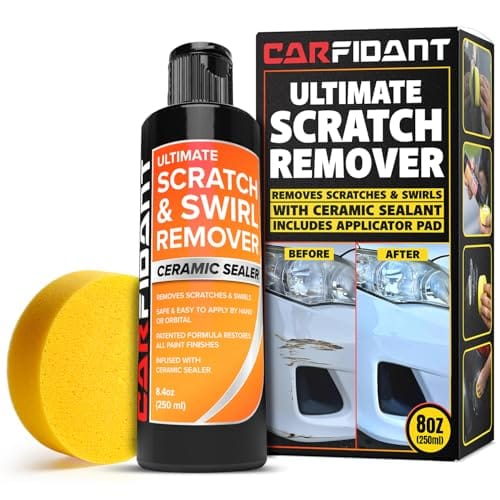
Regular application of a high-quality synthetic wax or sealant provides excellent supplemental protection. These products fill microscopic pores in the clear coat, creating a slick, UV-resistant barrier. For optimal results, apply every 3-6 months as a standalone treatment or as a topper for a ceramic coating.
Regardless of your chosen method, start with a perfectly decontaminated and polished surface. Combine these technologies—like a ceramic coating under a sacrificial wax—for unparalleled, multi-year defense against solar degradation.
Guard the Interior: UV Window Tint, Dash Covers, and Fabric Protection
Sun damage is a cumulative threat to your car’s interior, causing faded upholstery, cracked dashboards, and brittle plastics. A proactive, multi-layered defense is the most effective strategy.
Install Professional UV-Blocking Window Tint: This is your first line of defense. High-quality ceramic or carbon window films can block over 99% of harmful UV rays. This significantly reduces heat buildup and protects every interior surface the sun touches. Ensure compliance with local Visible Light Transmission (VLT) laws.
Use a Form-Fitting Dashboard Cover: The dashboard receives the most intense, direct sunlight. A custom-fit cover, made of reflective material or fabric with a UV-resistant backing, acts as a physical shield. It prevents cracking and fading while reducing glare.
Apply Fabric and Surface Protectants: Treat all interior surfaces with specialized products. For upholstery and carpets, use a fabric guard that creates an invisible barrier against UV rays and stains. For vinyl, plastic, and leather, apply a protectant with UV inhibitors. Reapply these treatments every few months for sustained efficacy.
Together, these measures form a comprehensive defense system, preserving your car’s value, aesthetics, and comfort for years to come.

Essential Accessories: Windshield Sun Shades and Seat Covers
As a senior technical writer specializing in automotive care, I can state unequivocally that proactive protection is the most cost-effective maintenance you can perform. The sun’s UV rays and intense heat cause preventable damage to your vehicle’s interior, leading to faded dashboards, cracked leather, and brittle plastics.
Investing in a custom-fit windshield sun shade is your first line of defense. Look for models with a reflective aluminum-coated surface, which rejects significantly more radiant heat than plain fabric or cardboard styles. A proper fit blocks UV rays from degrading your dashboard and steering wheel, while reducing the cabin temperature by up to 40-50°F. This dramatically lowers the thermal stress on every interior component and electronics.
Complement this with high-quality seat covers. For leather seats, UV-protectant covers prevent fading and cracking. For fabric seats, they guard against color loss and fabric degradation. Materials like breathable, UV-blocking polyester or neoprene offer optimal protection and comfort. Together, these accessories form a comprehensive shield, preserving your car’s resale value and interior comfort with minimal daily effort.
Maintenance Rituals: Regular Washing and Conditioning to Combat UV Rays
While regular washing removes corrosive contaminants, a dedicated UV protection ritual is non-negotiable for preserving your car’s finish and interior. Ultraviolet radiation is a primary agent of oxidation, fading, and cracking.
Wash your vehicle every two weeks with a pH-balanced, automotive-specific shampoo. This removes sun-accelerating grime without stripping existing wax. After washing, immediately apply a protective sealant. For paint, a modern synthetic polymer sealant or ceramic coating spray offers superior, longer-lasting UV blockage compared to traditional carnauba wax. These products create a sacrificial barrier that absorbs UV radiation.
For all interior surfaces—dashboard, seats, door panels—use protectants formulated with UV inhibitors. These are not just dressings; they are essential sunscreen for vinyl, plastic, and leather, preventing fading, brittleness, and cracks. Consistency is key: a bi-monthly application maintains the protective layer.
Complement this with physical barriers. Use a sunshade for the windshield and park in shade or a garage whenever possible. This multi-layered defense of cleansing, conditioning, and covering is the most effective strategy to combat irreversible sun damage.
Seasonal Considerations: Extra Protection for Summer and Hot Climates
Beyond routine washing and waxing, vehicles in hot climates require targeted strategies to combat UV radiation and extreme heat. A multi-layered approach is most effective.
Start with a high-quality paint sealant or ceramic coating. These provide a more durable, UV-resistant barrier than traditional wax, significantly slowing oxidation and fading. For the interior, a professional-grade window tint that blocks 99% of UV rays is the single best investment. It protects dashboards, upholstery, and electronics from cracking and discoloration.
Consistently use a windshield sun shade when parked. This simple tool dramatically reduces the greenhouse effect, lowering cabin temperature by dozens of degrees and protecting your dashboard. For extended parking, a breathable car cover offers full-body protection, but ensure the paint is clean before application to prevent scratches.
Finally, maintain interior surfaces with UV-protectant cleaners and conditioners for vinyl, plastic, and leather. This replenishes essential oils and adds a protective layer. Pay special attention to keeping tires dressed with a non-petroleum-based protectant to prevent sidewall dry rot.
Long-Term Benefits: Preserving Your Car’s Value and Appearance
Proactive sun protection is a critical, yet often overlooked, aspect of vehicle maintenance that directly preserves both its market value and aesthetic appeal. Ultraviolet (UV) rays and intense heat are the primary culprits behind faded paint, cracked dashboards, and brittle interior plastics.
Implementing a consistent protection strategy yields significant long-term returns. For exterior preservation, a high-quality ceramic coating or paint protection film (PPF) provides a superior, permanent shield compared to traditional wax. These solutions offer advanced UV inhibitors that prevent oxidation and color fading. Complement this with regular parking in a garage or using a fitted, UV-blocking car cover when shade is unavailable.
Interior care is equally vital. Apply a professional-grade dashboard protectant with proven UV absorbers to prevent cracking and discoloration. Use windshield sun shades every time you park to drastically reduce the greenhouse effect, protecting your upholstery and preventing adhesive failures on electronics and trim pieces.
This disciplined approach mitigates the accelerated depreciation caused by sun damage, ensuring your car’s interior and exterior remain in showroom condition for years, maximizing its resale potential.
Frequently Asked Questions
What is how to protect car from sun damage and who should use it?
A: how to protect car from sun damage is a solution designed to address a specific set of needs for a defined audience. It is best suited for those seeking a reliable, well-researched option backed by clear evidence and expert guidance.
How long does it take to see results with how to protect car from sun damage?
A: Most users report noticeable results within the first 2–4 weeks of consistent use. Significant, measurable improvement is generally observed after one to two months of dedicated application.
Is how to protect car from sun damage suitable for beginners or experienced users?
A: how to protect car from sun damage is designed to accommodate a wide range of experience levels, from complete beginners to advanced practitioners. Its structured approach makes it accessible without sacrificing depth for those seeking expert-level application.
Can how to protect car from sun damage be combined with other approaches or products?
A: Yes, how to protect car from sun damage is generally compatible with complementary strategies and tools. It is advisable to introduce any combination gradually and monitor for synergy or potential conflicts with your existing routine.
What are the most common mistakes to avoid with how to protect car from sun damage?
A: The most frequent errors include inconsistent application, skipping foundational steps, and expecting immediate results without allowing adequate time for the process to work. Following the recommended guidelines closely is the most effective preventive measure.
How does how to protect car from sun damage compare to similar alternatives on the market?
A: how to protect car from sun damage distinguishes itself through its evidence-based formulation, transparent ingredient or methodology sourcing, and a track record of user-verified outcomes. Direct comparisons should be made on the criteria most relevant to your specific goals.
Are there any limitations or side effects associated with how to protect car from sun damage?
A: While how to protect car from sun damage is formulated to minimize adverse effects, individual responses can vary based on specific sensitivities or pre-existing conditions. Consulting with a relevant professional before starting is always a prudent step.
What is the best way to get started with how to protect car from sun damage?
A: The most effective starting point is to begin with a foundational assessment of your current situation, then follow the recommended introductory protocol for how to protect car from sun damage. Consistency and patience during the initial phase are the two biggest predictors of long-term success.
Conclusion
Protecting your car from sun damage requires a proactive, multi-layered approach focused on both exterior and interior. The cornerstone of defense is consistent shade, achieved through covered parking, a quality car cover, or at minimum, a windshield sun shade. Externally, a robust and regularly maintained barrier—such as a ceramic coating, sealant, or wax—is essential to shield the paint and clear coat from degrading UV rays.
For the interior, combining physical barriers like window tint and dashboard covers with chemical protection from UV-protectant cleaners and conditioners for plastics, vinyl, and leather is key. By integrating these habits into your regular car care routine, you can significantly slow the aging process caused by the sun, preserving your vehicle’s appearance, value, and comfort for years to come.