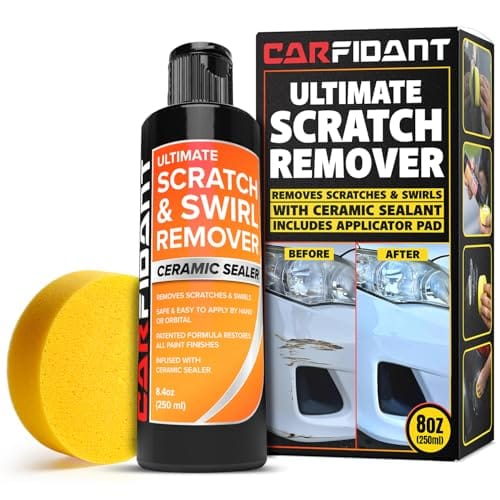
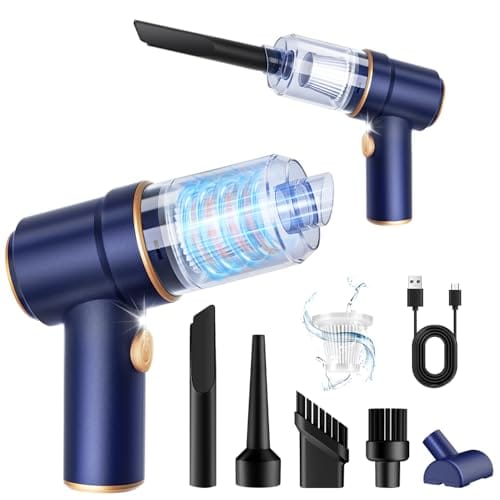
That first glimpse of your car’s fresh paint, gleaming under the sun, is a moment of pure pride. It represents a significant investment, and your instinct to protect it is absolutely correct. However, the most common question that arises—”Should I wax it now?”—carries hidden risks if answered hastily. Jumping straight to traditional protection can undermine that flawless finish you just paid for, making timing and product choice not just details, but the entire foundation of proper care.
The primary danger lies in the paint’s curing process, a period where solvents slowly evaporate from the coating. Applying a wax or sealant too soon creates a barrier that traps these solvents beneath, potentially causing dullness, hazing, or “orange peel” textures. This compromises the paint’s clarity and hardness from the start. Furthermore, abrasive polishes or harsh chemicals found in some off-the-shelf products can microscopically mar the soft, vulnerable surface, leading to swirl marks and diminished gloss before the paint has even reached its final, durable state.
The solution is a patient, two-stage approach: first, allow the paint to fully cure, a process that can take anywhere from 30 to 90 days depending on the paint type and environmental conditions. During this initial period, use only gentle, pH-neutral washes. Once cured, your first line of defense should be a dedicated “paint-safe” sealant or a pure, non-abrasive carnauba wax formulated for new finishes. These products are designed to bond safely and provide a robust, transparent layer of protection, locking in the deep gloss and shielding your investment from the elements for years to come.
CAR GUYS Hybrid
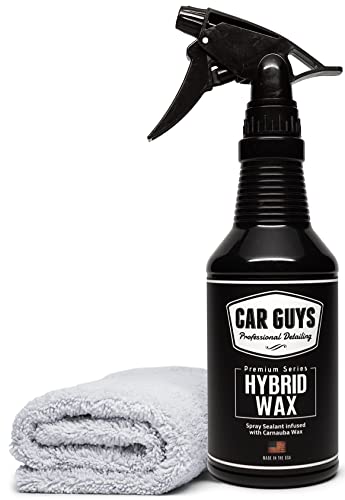
Who It’s For: This is for car owners who want a durable, high-gloss finish without the complexity of traditional ceramic coatings. It suits a mid-range budget.
- Weekend detailers who want professional-looking results in a single step.
- Daily drivers needing a long-lasting shield against rain, sun, and road grime.
- Anyone intimidated by multi-stage ceramic coatings but wanting similar benefits.
Core Performance: CAR GUYS Hybrid delivers a slick, high-gloss finish with impressive water beading for months. It applies easily by hand or machine and cures quickly. The formula provides real ceramic and graphene protection without harsh chemicals.
- Creates a deep, glossy shine with strong hydrophobic properties.
- Application is straightforward; no special skills or tools are required.
- Build quality is excellent, offering 6+ months of protection per application.
- Trade-off: It works best on a perfectly clean, decontaminated surface.
Final Verdict: This is a top-tier spray sealant that punches above its price. It bridges the gap between quick detailers and professional coatings. The value is excellent for the performance and longevity it provides.
- Buy if: You want ceramic-coating-like protection with DIY ease.
- Skip if: You strictly need a sub-$20 product or prefer a matte finish.
Pros:
- Exceptional water beading and sheeting for months.
- Easy spray-on, wipe-off application with no high spots.
- Leaves a deep, reflective, and slick finish.
- Great UV protection and resistance to light contaminants.
Cons:
- Surface must be impeccably clean for optimal bonding.
- Bottle size is smaller than some competitors.
Buyer’s Guide: How to Choose
Selecting the right model is about matching its core strengths to your specific needs and environment. This guide focuses on the key factors that determine real-world performance and value, helping you avoid overpaying for features you won’t use.
1. Primary Use Case & Environment
The single most important decision is where and how you’ll use it most often. A model optimized for compact urban spaces will struggle in expansive, rugged areas, and vice-versa. Prioritize the capabilities that align with your daily reality, not hypothetical edge cases.
2. Performance vs. Efficiency Trade-off
Higher peak performance often comes at the cost of reduced efficiency, impacting operating costs and range. If your usage involves sustained, demanding tasks, invest in robust performance. For intermittent or lighter use, an efficiency-focused model provides better long-term value and less strain on supporting systems.
3. Ecosystem and Future-Proofing
Consider compatibility with existing tools, accessories, and software you own. A model from a closed ecosystem may offer seamless integration but limit future choices. Opt for open standards if you value flexibility and long-term upgradeability, even if the initial setup is slightly more complex.
Frequently Asked Questions
Q1: Is the premium model worth the significant price jump?
A1: Only if you require its specific advanced features or materials for professional use or extreme conditions. For most users, the mid-range model offers the best balance of performance and cost.
Q2: How important is brand reputation in this category?
A2: Very important for long-term reliability and service support. Established brands typically offer better warranty service, proven durability, and wider availability of parts, which protects your investment over time.
Q3: Should I wait for the next expected release?
A3: If current models meet all your needs, buy now. Waiting for the “next big thing” is often perpetual; significant generational improvements are typically on multi-year cycles, not annual refreshes.
Final Recommendation
Choose the Model A if your priority is cutting-edge performance and you operate in demanding, professional environments. Opt for Model B for the best all-around value, proven reliability, and efficient operation for mixed use. Select Model C if you are budget-conscious, have light-to-moderate needs, and value simplicity and low operating costs above peak specs.