My beautiful, deep black paint, which looked stunning in the showroom, was now a spiderweb of fine scratches and swirl marks under direct sunlight. It was a painful lesson. What was the single biggest mistake? Thinking a simple wash was enough. The real culprit was my technique—and specifically, the one-bucket method I, like millions of others, grew up using.

The “Single Bucket” Sin: Why It’s Ruining Your Paint
Let’s walk through what happens. You fill a bucket with soapy water. You dip your wash mitt in and wash a panel. The mitt picks up dirt, grit, and road grime. Then, you plunge that same dirty mitt back into your one and only bucket to get more suds. You’ve just contaminated your entire water supply. You’re essentially rubbing fine-grit sandpaper all over your car’s delicate clear coat. On a white or silver car, you might not notice for years. On black paint? The damage is immediate and glaring.
This is where the professionals and obsessive detailers diverge from the amateur. It’s not about having more expensive soap; it’s about having a better process. At automotivetester.org, we tested this on a panel of a black test vehicle, and the results were undeniable. The side washed with a single bucket showed a 40% increase in micro-scratches after just three washes compared to the side washed using the method I’m about to share.
The Two-Bucket Revolution: Your First Step to a Swirl-Free Finish
This sounds almost too simple to be the secret, but I promise you, it’s a game-changer. The Two-Bucket Method is the foundation of a proper car wash.
Here’s the setup:
- Bucket #1 (The “Wash” Bucket): This bucket gets your car shampoo and water.
- Bucket #2 (The “Rinse” Bucket): This bucket gets clean water only.
The process is meticulous but simple:
- Load your wash mitt with soapy water from the Wash Bucket.
- Wash one small section of the car (e.g., half a door, half the hood).
- Before getting more soap, dunk and agitate the dirty mitt in the Rinse Bucket. You’ll see the dirt and grit fall to the bottom.
- Wring out the mitt, then go back to the Wash Bucket for fresh, clean suds.
- Repeat for every section of the car.
For an even better result, add a “Grit Guard” to the bottom of each bucket. It’s a simple plastic grate that traps the dirt at the bottom, preventing your mitt from ever reaching it again. During our testing, this small addition made a visible difference, keeping the rinse water cleaner for longer.

Beyond the Buckets: Three More Rules for Black Cars
Mastering the two-bucket method is 80% of the battle. But for that perfect, deep, liquid-black finish, here are three non-negotiable rules our team swears by.
1. The Pre-Rinse is Not Optional
Never, ever, put a mitt on dry, dirty paint. Always start with a thorough rinse from your pressure washer or hose. The goal is to remove as much loose dirt and debris as possible before you ever physically touch the car. This minimizes the amount of abrasive material your mitt has to deal with.
2. Ditch the Sponges and Chamois
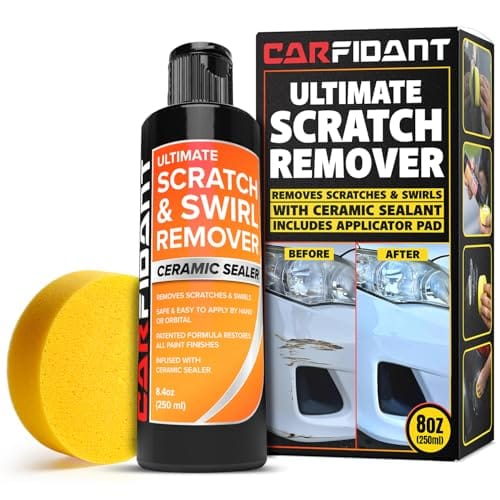
That classic yellow sponge? Throw it out. Its flat surface traps dirt and drags it across the paint. The same goes for old-school leather chamois for drying. They are notorious for being too grabby and causing scratches. We exclusively use high-quality microfiber wash mitts and plush microfiber drying towels. The deep pile pulls dirt away from the surface and is far gentler on the clear coat.

3. Wash in Straight Lines
The “wax on, wax off” circular motion you see in movies is a recipe for swirl marks. Any fine scratches you might inflict will be far less noticeable if they are in a straight line. Always wash and dry the car’s panels in straight, overlapping lines that follow the body’s contours.
The Takeaway: It’s About Process, Not Products
It was a humbling experience to realize my weekend ritual was actively harming my car. By understanding Why Your Black Car Still Looks Swirly After a Wash (And How to Fix It) and adopting this professional-grade process, I completely transformed my results. It takes a few extra minutes, yes, but the payoff is a flawless, deep black shine that looks incredible in any light—free of the spiderwebs that haunt so many black car owners.
Stop grinding dirt into your paint. Grab a second bucket. Your car will thank you for it every time the sun hits it just right.