Running out of power on a road trip or needing a laptop socket in your vehicle is frustrating. Many people want AC outlets and fast USB charging from their car, but worry about safety, compatibility, or a messy install. If you’ve ever wondered whether you can DIY an inverter install without frying your electronics, you’re not alone.
This guide solves that problem. We explain how to install a car power inverter step-by-step, list the tools and safety checks you need, and compare the best inverters for different uses—so you can pick the right model and install it with confidence.
| Product Image | Product Name | Best For | Check Price |
|---|---|---|---|
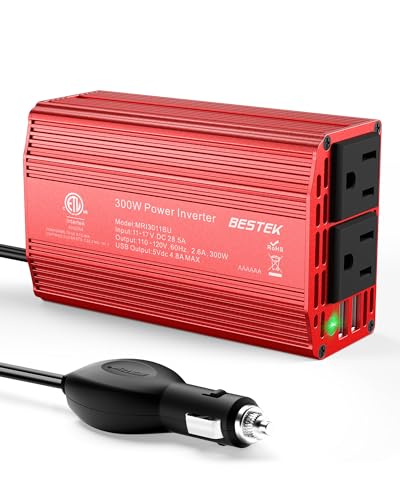 | BESTEK 300W Car Inverter with Dual USB | Road Trips & Laptops | Check Price |
 | 300W Inverter with LED Display & USB-C | Smart Charging Monitor | Check Price |
 | YSOLX 300W Dual USB Car Inverter | Portable Laptop Power | Check Price |
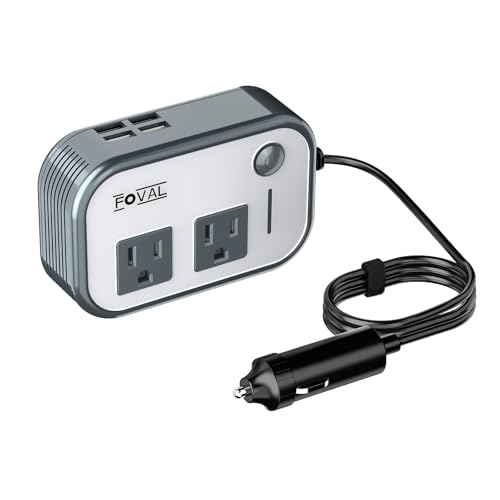 | FOVAL 200W Inverter with 4 USB Ports | Family Device Charging | Check Price |
 | YSOLX 500W Dual AC & USB Inverter | High-Power Road Trips | Check Price |
 | 200W Inverter with PD USB-C & AC | Fast PD Charging | Check Price |
 | PiSFAU 200W Inverter with USB-C Fast | Compact Fast Charging | Check Price |
 | ALLWEI 300W Inverter with PD USB-C | USB-C Fast Charge | Check Price |
BESTEK 300W Car Inverter with Dual USB
Perfect for weekend road-trippers, commuters, or anyone who needs reliable low-power AC and USB charging in a car, truck, or RV.
The inverter delivers clean 300W power with a short surge capacity so you can run a laptop or camera charger while also using the dual USB ports to top up phones and tablets. In practice that means you can work from your vehicle or keep devices charged during a long drive without juggling adapters.
It’s compact and easy to install using the cigarette lighter plug or included battery clamps, and it includes common safety protections like overload, short-circuit, and low-voltage shutdown. Those features plus a simple, durable design make it a strong choice for casual mobile power needs.
Pros:
- Compact and portable — easy to stow in a glovebox or bag
- Dual AC outlets plus dual USB ports for simultaneous charging
- Built-in safety protections give peace of mind
- Simple installation with cigarette plug and battery clamps
Cons:
- 300W continuous output won’t run high-power appliances
- Cooling fan can be audible under heavier loads
- Cigarette-plug use may limit continuous runtime compared with direct battery connection
300W Inverter with LED Display & USB-C
Perfect for weekend campers, road-trippers, and anyone who needs reliable low-wattage AC power and device charging from their car.
The 300W output covers laptops, phone chargers, cameras, and small appliances, while the bright LED display gives clear, real‑time info on output and battery voltage so you can avoid overloads. The built-in USB‑C port lets you charge a modern laptop or phone quickly while still using the AC outlet—for example, run a small fan and top up your laptop during a break without guesswork.
It’s compact and easy to stow, with a sturdy feel and standard safety protections like overload, short‑circuit, and thermal safeguards to protect your gear. Those features, plus straightforward operation, make this inverter a solid, worry‑free choice for light to moderate on‑the‑road power needs.
Pros:
- Compact 300W output ideal for laptops and small appliances.
- Clear LED display for real‑time power and voltage monitoring.
- USB‑C port for modern, faster device charging.
- Built‑in safety protections for peace of mind.
Cons:
- Not intended for high‑draw appliances like full-size fridges or power tools.
- Single USB‑C port may limit simultaneous fast charging options.
- Can warm up under sustained heavy loads—best for intermittent use.
YSOLX 300W Dual USB Car Inverter
Perfect for road-trippers and commuters who need reliable power for phones, tablets, and small laptops while on the move.
This compact 300W inverter offers a standard AC outlet plus two USB ports, so you can run a laptop and charge phones at the same time. It includes both a cigarette-lighter plug for quick, tool-free use and heavy-duty battery clamps for higher-draw situations. For example, you can power a 50–60W laptop adapter from the AC outlet while charging two phones from the USB ports without swapping cables.
The sturdy metal case and built-in cooling fan keep temperatures in check during extended use. It also has multiple safety protections (overload, short-circuit, low-voltage and overheat), which helps protect your car and devices. Overall, it’s a practical, easy-to-install option for anyone who needs portable, everyday power on the road.
Pros:
- Compact and portable — easy to stash and move between vehicles.
- AC outlet plus dual USB ports for charging multiple devices at once.
- Includes both cigarette-lighter plug and battery clamps for flexible setup.
- Built-in safety features protect car battery and electronics.
Cons:
- 300W limit means it won’t run high-power appliances like hair dryers.
- Cigarette-lighter connection may reduce available output for heavy loads.
- Cooling fan can be noticeable under sustained heavy use.
FOVAL 200W Inverter with 4 USB Ports
Perfect for road-trippers and daily commuters who need to power or charge several small devices from a car battery.
The FOVAL 200W inverter delivers enough AC power for a laptop or small appliance while offering four USB ports for phones, tablets, and accessories. In practice that means you can run a laptop from the AC outlet and charge three phones or a tablet at the same time from the USB ports without juggling adapters.
It’s compact and easy to stow, with built-in safety protections and an active cooling fan to prevent overheating during use. Those features make it a reliable, plug-and-play choice for occasional work, charging stops, and road trips where portability and multiple ports matter most.
Pros:
- Four USB ports let multiple devices charge at once without extra hubs.
- 200W AC output is enough for laptops and small electronics on the road.
- Compact, portable design fits easily in a glovebox or console.
- Built-in protections help guard against overloads and short circuits.
Cons:
- Limited to 200W — not suitable for large appliances or continuous heavy loads.
- Cooling fan can be audible during extended use.
- Best for occasional use rather than continuous high-demand setups.
YSOLX 500W Dual AC & USB Inverter
Perfect for weekend campers, road-trippers, and anyone who needs reliable power for laptops, phone chargers, and small appliances from their car.
The inverter’s standout feature is its dual AC outlets combined with USB ports, so you can run a laptop while charging phones and a small gadget at the same time. In practice this means you can edit photos on the road, keep navigation running, and top up devices without swapping plugs. The unit delivers clean, steady output suitable for most electronics and has a visible LED indicator for status.
Build quality is solid with a compact metal housing and an active cooling fan that keeps temperatures in check during use. It also includes basic protections against overload, short circuit, and low-voltage, which gives peace of mind when you leave devices connected. Overall, it’s a practical, easy-to-install option for anyone wanting dependable car power for everyday needs.
Pros:
- Dual AC outlets plus USB ports let you power multiple devices at once
- Stable output for laptops and small electronics
- Compact, durable design that’s easy to stow and mount
- Built-in protections for safer operation
Cons:
- 500W limit means no heavy appliances like full-size kettles or hair dryers
- Can warm up under sustained high load, so monitor use
- Check device compatibility for very sensitive electronics
200W Inverter with PD USB-C & AC
Ideal for road-trippers and mobile professionals who need reliable, portable power for a laptop, phone, or small appliance on the go.
This inverter pairs a 200W AC outlet with a PD USB‑C port so you can run a laptop and fast‑charge a phone at the same time. For example, you can power a 60–90W laptop while charging a phone at 45W from the PD port without swapping adapters or slowing down your workflow.
The unit is compact, solidly built, and includes basic safety protections against overload, short circuit, and overheating, which keeps gear safe during long drives. Its small footprint and simple controls make it easy to mount or tuck under a seat, making this a practical, dependable choice for light to medium power needs.
Pros:
- Combination of 200W AC and PD USB‑C covers laptops and phones simultaneously.
- Fast charging PD port speeds up phone and tablet refills on the road.
- Built‑in protections add safety and peace of mind during use.
- Compact design fits neatly in cars, trucks, and RVs.
Cons:
- 200W limit won’t run high‑draw appliances like full-size microwaves or hair dryers.
- Can warm under sustained load; needs ventilation and possibly direct battery connection for heavy use.
PiSFAU 200W Inverter with USB-C Fast
Perfect for travelers and commuters who want a compact way to charge laptops, phones, and small appliances from a car.
The PiSFAU 200W inverter pairs a 200-watt AC outlet with a USB-C fast-charge port. That means you can run a laptop and top up a phone at the same time. For example, you can power a laptop to work on the road while fast-charging your phone for navigation or calls.
It also packs practical safety and design touches. The unit is compact for glovebox storage and includes built-in protections against overloads and short circuits, so your devices stay safe. Overall, it’s a reliable, easy-to-install option for light to moderate on-the-road power needs.
Pros:
- USB-C fast charging for modern devices
- 200W AC output handles laptops and small appliances
- Compact, portable design fits in a glovebox
- Built-in safety protections (overload/short/overheat)
Cons:
- Not suited for high-draw appliances like heaters or full-size kettles
- May warm up during long, heavy use
- Limited AC outlets—may need a power strip for multiple plugs
ALLWEI 300W Inverter with PD USB-C
Perfect for road-trippers and remote workers, the ALLWEI 300W Inverter with PD USB-C turns your car into a mobile power hub for laptops, cameras, and small appliances.
Its standout feature is the 300W AC output paired with a PD USB-C port for fast charging. That means you can run a laptop from the AC outlet while topping up a phone or tablet via PD USB-C. The combination keeps work and entertainment running on a long drive without juggling multiple adapters.
The unit is compact and simple to install. It includes built-in protections against overload, short circuit, and overheating, so it won’t fry your devices if something goes wrong. For anyone needing reliable, portable power for small electronics, this inverter is a practical and user-friendly choice.
Pros:
- Compact, travel-friendly design fits easily in a vehicle.
- PD USB-C provides fast charging for phones and laptops.
- Reliable 300W AC output for laptops and small appliances.
- Built-in safety protections for peace of mind.
Cons:
- Limited to 300W, so it won’t run large appliances.
- Fan can be noticeable during sustained heavy use.
- Only a few outlets, so you may need a power strip for multiple devices.
Buyer’s Guide: Key Factors to Consider
Power Capacity — Match the inverter to your devices
Choose an inverter whose continuous watt rating exceeds the sum of the devices you plan to run. Remember surge (starting) watts for motors and compressors can be 2–4× the running watts. Quick checks: phone/laptop chargers ~20–100W, coffee maker/microwave 800–1,500W, CPAP 30–60W. If you expect occasional heavy loads, pick an inverter with higher continuous rating or one with a healthy surge margin.
Output Type & Compatibility — Pure sine vs. modified sine
Use a pure sine inverter for sensitive electronics (laptops, medical devices, modern TVs, some chargers). Modified sine is cheaper and OK for resistive loads (simple lights, older power tools) but can cause noise, reduced efficiency, or damage to some devices. For general car use in 2025 — choose pure sine unless you’re certain only simple loads will be used.
Installation Needs & Safety Features
Decide between cigarette-lighter/plug-in units (easy, low power) and hardwired inverters (higher power, professional-grade). For hardwire installs, size cable and fuse correctly (short, heavy-gauge cable; fuse within 18″ of battery). Look for built-in protections: low-voltage shutdown, overload, overtemp, and remote on/off. Ensure proper ventilation and secure mounting to avoid vibration damage.
Frequently Asked Questions
Q1: How do I size an inverter for my car?
A1: Add up running watts of all devices, then add headroom for surges. Pick an inverter with continuous watts above that total and surge capability for inductive loads. For typical laptops & phone charging, 300–500W is fine; for microwaves or power tools, expect 1,000–2,000W or higher.
Q2: Do I need a pure sine wave inverter?
A2: Yes for sensitive electronics, medical devices (CPAP), and many modern chargers. Pure sine reduces interference and risk of damage. Modified sine can work for simple resistive loads but is less versatile and sometimes problematic.
Q3: Can I run an inverter with the engine off?
A3: You can, but it will draw from the car battery and may leave you stranded. For significant loads use a dedicated deep-cycle battery or start the engine periodically, or install a separate battery + isolator/charge system for safe off-engine use.
Q4: Is hardwiring an inverter difficult — should I hire a pro?
A4: Basic plug-in installs are easy. High-power hardwiring involves heavy-gauge cable, correct fusing, and secure mounting; if you’re not comfortable working with battery systems or lack the right tools, hire a professional to avoid fire and warranty issues.
Q5: How long will my car battery run a device through an inverter?
A5: Runtime depends on battery amp-hours (Ah), battery type, and load watts. Rough example: a 100Ah battery ≈1,200Wh usable (lead-acid often limited to ~50% DoD), so a 200W load runs ~3–6 hours. For accurate estimates, use Wh = Ah × 12V and account for inverter efficiency (~85–95%).
Q6: Where should I mount the inverter in my car?
A6: Mount in a dry, ventilated, secure location close to the battery to minimize cable length. Avoid passenger footwells and areas where fumes or heat accumulate. Ensure airflow clearance and protection from road debris.
Final Verdict: Which One Should You Buy?
For most car users in 2025, a 1,000–1,500W pure sine inverter with built-in protections, remote switch, and a quality hardwire kit is the best all-around choice—powerful enough for laptops, CPAPs, and small appliances while staying install-friendly. Choose a larger (2,000W+) hardened unit and pro installation only if you’ll run heavy AC appliances or continuous high loads.